


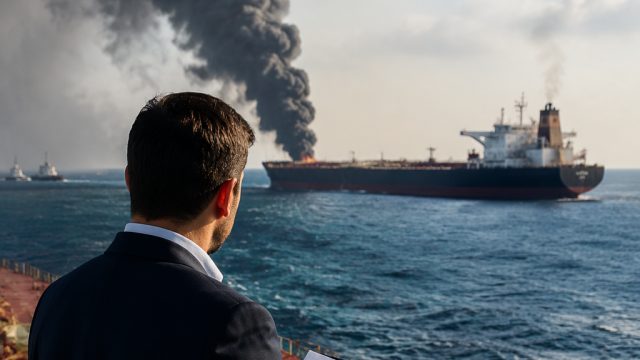
Ship Insurers Brace for Impact Following Recent Iran Conflict
The insurance sector is on high alert as it anticipates a surge in claims resulting from damages to ships during the recent conflict in Iran. Allianz SE, one of the global leaders in the insurance industry, has indicated that this situation could lead to substantial financial repercussions for maritime insurers worldwide.
The Growing Risk Landscape
With geopolitical tensions on the rise, insurers focusing on maritime assets must now navigate an increasingly complex risk environment. The Iran conflict has highlighted vulnerabilities present in shipping routes and infrastructures. This scenario raises crucial questions for stakeholders in the shipping and insurance sectors alike.
Understanding the Implications for Insurers
As the fallout from the conflict unfolds, several key implications emerge for ship insurers:
- Increased Claims: Insurers may face a wave of claims as affected parties seek compensation for damages.
- Policy Adjustments: Insurers might need to revise policies to address the evolving risks associated with shipping in volatile regions.
- Market Preparedness: The industry must prepare for potential spikes in premiums as underwriters assess risk more dynamically.
The Impact on Global Trade
The implications of ship insurers bracing for claims extend beyond the maritime sector. Global trade, which relies heavily on shipping routes that traverse potentially hostile territories, may experience disruptions. These challenges could affect everything from commodity prices to supply chain logistics.
Challenges to Shipping Operations
Some critical challenges faced by shipping operations include:
- Increased Costs: The potential for increased insurance premiums can lead to higher operational costs for shipping companies.
- Route Reassessment: Shipping companies may need to find alternative routes, impacting delivery timelines and costs.
- Supply Chain Risks: Disruptions in shipping can lead to broader supply chain issues, affecting multiple industries.
What This Means for Stakeholders
For businesses engaged in industries reliant on maritime logistics, the ramifications of increased claims and higher premiums underscore the importance of proactive risk management strategies. Stakeholders must remain vigilant and informed about the evolving dynamics in the shipping insurance landscape.
Recommendations for Businesses
To mitigate risks and navigate the unfolding scenario effectively, businesses should consider the following strategies:
- Regular Risk Assessment: Conduct regular assessments of maritime risks in light of current geopolitical tensions.
- Diversified Shipping Options: Explore multiple shipping routes and providers to ensure flexibility and resilience.
- Insurance Review: Regularly review insurance policies to ensure adequate coverage for emerging risks.
Conclusion
As the global shipping industry braces for the repercussions of the Iran conflict, insurers and businesses alike must adapt to an evolving risk landscape. The potential for significant claims has heightened the importance of preparedness in maritime operations. Stakeholders should remain proactive in managing their exposure to risks, ensuring they are equipped to navigate the challenges ahead.
