


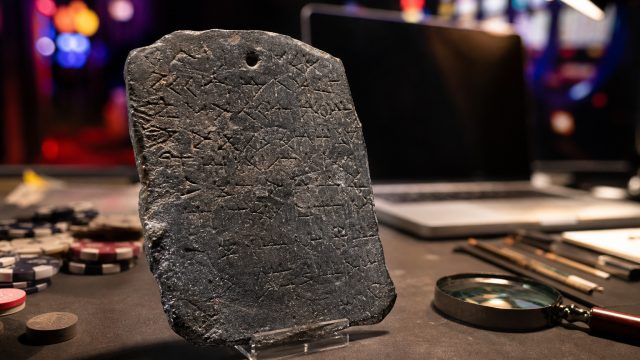
Ancient Lead Tablet Reveals Insights into Historical Curses
A recent discovery in the Netherlands has revived interest in the mystical practices of the ancient world. Researchers have unearthed a small lead tablet inscribed with a Greek curse, believed to date back nearly 2,000 years. This finding not only sheds light on the rituals of the time but also highlights the cultural significance of curses in ancient societies.
The Discovery of the Lead Tablet
The lead tablet was found in a bustling city square, a location that once served as a focal point for community activities. The inscription, which researchers have now deciphered, provides a rare glimpse into the beliefs and superstitions of the period. Experts believe that such curse tablets were used to invoke supernatural forces against one’s enemies, showcasing the lengths to which individuals would go to seek retribution.
Historical Context of Curses
In ancient civilizations, curses were often seen as powerful tools of magic. They were utilized not only to harm enemies but also to influence personal affairs, such as love and fortune. The lead tablet's discovery in a public area suggests that curses may have been an accepted part of daily life, reflecting a society steeped in mysticism.
Deciphering the Inscription
The researchers applied modern techniques to decode the inscriptions on the tablet. The text appears to contain vivid threats directed at individuals identified by their names, suggesting a personalized approach to cursing. The inscription is filled with intricate details that reveal the emotional undertones of the person who authored it.
Significance of the Findings
This discovery is crucial for understanding how ancient Greeks interacted with the supernatural. The tablet reveals not just a linguistic artifact but also a cultural one, illuminating social dynamics and the importance of reputation during that era.
- Cultural rituals centered around curses
- Superstitions that influenced personal and societal interactions
- The role of public spaces in ancient magic practices
Broader Implications for Archaeology
The find in the Netherlands is part of a larger trend in archaeology that emphasizes the importance of small, everyday objects. These items often tell stories that grand monuments cannot. As excavation techniques improve and more artifacts come to light, we may uncover more about the lives of ordinary individuals from the past.
Connecting the Past with the Present
This lead tablet serves as a reminder of humanity's enduring quest to understand and manipulate the forces of fate. Today, while we might not inscribe curses on lead tablets, the underlying human emotions and desires remain strikingly similar.
Conclusion: The Legacy of Curses
The ancient lead curse tablet is more than just a relic; it represents a window into the psyche of the past. As we continue to study and interpret these artifacts, we gain valuable insights that connect us with our ancestors. Understanding these historical beliefs not only enriches our knowledge of history but also invites us to reflect on how far we have come in our relationship with the supernatural.
