


Severe El Niño Alert: What It Means for Southeast Asia
Severe El Niño Alert: What It Means for Southeast Asia
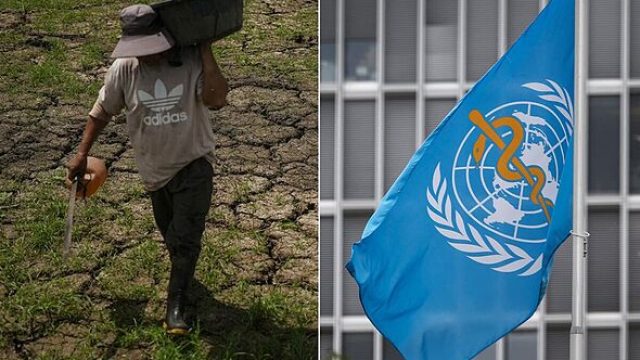
The recent warnings from the United Nations regarding a strengthening El Niño phenomenon have sparked concern among climatologists and policymakers alike. As the United States recorded its hottest July on record, the implications of this climatic event are expected to ripple across various regions, especially in Southeast Asia. Countries like Indonesia, home to bustling cities such as Jakarta and Surabaya, are bracing for potential adverse weather, including extreme heat and drought.
Key Takeaways
- The UN warns of severe impacts from the intensifying El Niño.
- Southeast Asia is particularly vulnerable to climate-related disruptions.
- Regions may face prolonged drought and heatwaves.
- Preparedness and response strategies are crucial for mitigating impacts.
- Economic sectors like agriculture could suffer significantly.
The Rising Threat of El Niño
This year, the emergence of a strong El Niño is evident, marked by significant shifts in ocean temperatures. As global temperatures soar, regions prone to extreme weather are likely to experience heightened risks. Indonesia, with its rich agricultural landscape, is particularly at risk. The expected weather patterns could lead to reduced rainfall, impacting crop yields and the livelihoods of farmers.
What's at Stake for Agriculture?
The agricultural sector is the backbone of many Southeast Asian economies, including Indonesia. During previous El Niño events, significant crop failures were reported due to drought conditions. This year, experts predict the potential for similar outcomes if the dry spell persists. Countries may have to consider alternative agricultural practices to adapt to these challenging conditions.
Economic Implications
The economic implications of an extended drought caused by El Niño are profound. From escalating food prices to supply chain interruptions, the potential fallout can affect not only local markets but also global trade. Nations in the ASEAN region must prepare for these challenges. The potential rise in food insecurity could lead to social unrest and increased migration pressures within and across borders.
Strategies for Mitigation
As the drought looms, proactive measures are essential. Here are a few strategies that governments and agencies can employ to mitigate the impacts of El Niño:
- Implement water conservation programs to manage resources effectively.
- Invest in drought-resistant crop varieties to ensure food security.
- Enhance forecasting and early warning systems for farmers.
- Promote community awareness and preparedness initiatives.
Conclusion
The strengthening El Niño is not just a passing phenomenon; it is a wake-up call for nations across Southeast Asia. With increasing temperatures and unpredictable weather patterns, understanding and preparing for these changes is vital. As we approach the months ahead, stakeholders must collaborate to mitigate the effects of climate change on economies and communities. The time to act is now.
Previous:Unmissable Sneaker Discounts t
I NEED TO BUILD WEBSITE
I need to build a website
*Please fill in the required information carefully and we will contact you within 24 hours.- WeChat
-

Add WeChat
-
- 020-66889888
020-66889888
- Mobile
188 666 999 88
- Back to top
TOP