


New Initiatives in Youth Mental Health Collaboration
Key Takeaways
- Over 3,100 youth accessed crisis centers since their inception.
- More than 700 youth received support in the past year alone.
- Collaborative efforts enhance mental health resources in communities.
- Immediate interventions have shown significant improvement in youth conditions.
- Ongoing partnerships strengthen the mental health framework.
The Rising Tide of Youth Mental Health Awareness
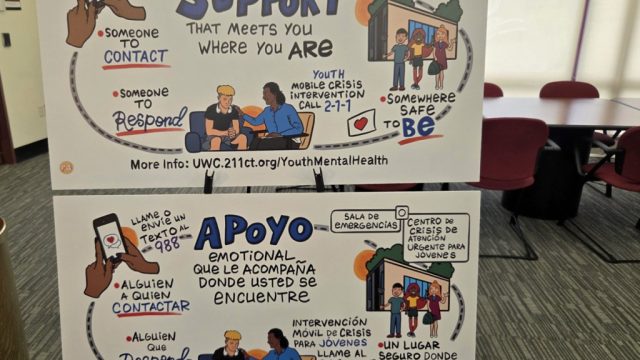
The recent partnership between the Connecticut Legislature and the United Way marks a critical movement towards addressing the escalating youth mental health crisis. With alarming statistics reflecting the mental strain on younger generations, this collaboration aims to harness resources effectively and establish a robust support system.
The Department of Children and Families has reported that over 3,100 young individuals have utilized crisis centers since their establishment. This development is crucial, considering the staggering challenges faced by many teens today, including anxiety, depression, and the effects of social isolation, particularly exacerbated by the pandemic.
Understanding the Crisis
Statistics reveal that mental health issues among youth are on the rise. A significant increase in cases has been noted, with over 700 youths receiving critical interventions in just the past year. These numbers underline the urgent need for accessible mental health resources and support networks.
Current Initiatives and Their Impact
The collaboration between the state and local organizations has birthed several initiatives aimed at bolstering mental health support. By creating awareness campaigns, the focus is on destigmatizing mental health issues and encouraging youths to seek help without hesitation. The programs implemented have shown promising outcomes where youth report marked improvements in their mental health after receiving support from crisis centers.
How the Programs Operate
The crisis centers operate on a model designed to provide immediate support. Trained professionals work with youth to address their needs in a safe environment, ensuring they receive adequate care and follow-up services. The emphasis is on tailored interventions to help each individual navigate their unique challenges.
Community Support and Engagement
Local communities are encouraged to participate actively in these initiatives, fostering an environment where mental health is prioritized. Schools and parents play a pivotal role in identifying at-risk youths and guiding them towards available resources. The community's involvement not only assists in quicker identification of mental health issues but also strengthens the overall effectiveness of these programs.
Future Directions
As the initiatives evolve, there is a commitment to continuous improvement in service delivery. Future plans include expanding the reach of crisis centers and enhancing outreach efforts to ensure that more youths are aware of the services available to them. The long-term goal is to create a sustainable model that can be replicated across other states facing similar challenges.
Conclusion
The partnership between the Connecticut Legislature and United Way marks a significant step forward in youth mental health advocacy. With rising numbers in youth mental health crises, initiatives like these are not only timely but necessary. As communities come together to support their young members, the hope is that these efforts will lead to lasting improvements in mental health outcomes.
Previous:Why Online Boxing Betting Is G
I NEED TO BUILD WEBSITE
I need to build a website
*Please fill in the required information carefully and we will contact you within 24 hours.- WeChat
-

Add WeChat
-
- 020-66889888
020-66889888
- Mobile
188 666 999 88
- Back to top
TOP