


Indian Businessman Sentenced for Fentanyl Chemical Smuggling
Key Takeaways
- Bhavesh Lathiya received a 54-month sentence in U.S. federal court.
- His company supplied chemicals for fentanyl production, posing as vitamins.
- He entered a guilty plea, highlighting a growing concern over international drug smuggling.
- The case underscores the U.S. government's focus on disrupting drug supply chains.
- After serving his sentence, Lathiya will face deportation to India.
Background on the Case
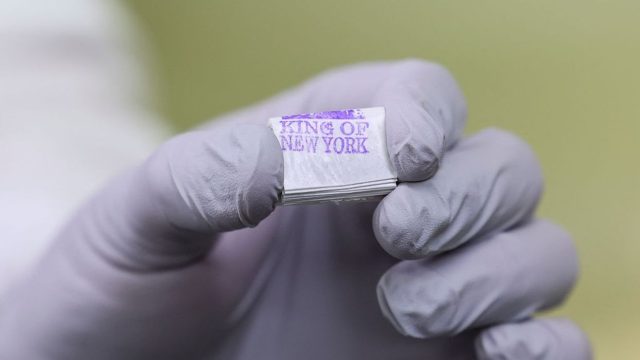
In a significant legal development, Bhavesh Lathiya, a 37-year-old entrepreneur from Surat, Gujarat, was sentenced to 54 months in federal prison in the United States. This ruling came after he pleaded guilty to facilitating the smuggling of precursor chemicals that are essential for the synthesis of fentanyl, a potent synthetic opioid. Notably, these substances were deceptively labeled as Vitamin C, possibly to evade detection during shipping and customs checks.
Lathiya is the founder of Raxuter Chemicals, a company that has drawn attention for its involvement in the international drug trade. In April, he admitted in court to his role in a sophisticated operation that saw the distribution of chemical precursors intended for illicit drug production, specifically fentanyl. This drug has been linked to a significant number of overdose deaths in the U.S. and has become a focal point in the ongoing battle against drug abuse.
Global Implications
This case serves as a critical reminder of the global nature of drug trafficking and the complexities involved in controlling the supply of precursors used in illegal drug manufacturing. With increased scrutiny on chemical suppliers, especially those based in India, authorities are enhancing their measures to combat smuggling operations.
India has been identified as a significant source of precursor chemicals used in illicit drug production, leading to concerns regarding the international ramifications of such operations. The U.S. and other nations have begun to implement stricter regulations on chemical exports to curb the influx of these dangerous substances. In Southeast Asia, including markets like Jakarta and Bali, the impact of the fentanyl crisis is also being felt, emphasizing the need for collaborative efforts to address this growing issue.
Next Steps for Drug Policy
The U.S. Department of Justice has made it clear that combating the distribution of fentanyl and its precursors is a top priority. Lathiya's arrest and subsequent sentencing signal a broader initiative to dismantle networks that facilitate the supply of these deadly substances. The case highlights the need for stringent monitoring and stronger international cooperation among law enforcement agencies.
Additionally, the growing presence of online platforms that facilitate the distribution of chemicals poses new challenges for regulators. A proactive approach is essential to prevent such materials from reaching illicit markets, which could have devastating health implications. The potential for these chemicals to be used in various sectors, including pharmaceuticals, calls for careful regulation and oversight.
Conclusion
The sentencing of Bhavesh Lathiya represents a significant legal and moral victory in the fight against drug trafficking. It underscores the importance of international vigilance in monitoring chemical supplies and the ongoing efforts to address the fentanyl crisis, especially in regions heavily impacted by opioid abuse. As the global community grapples with these challenges, the case serves as a reminder of the persistent threat posed by illicit drug manufacturing and the need for continued action to protect public health.
Previous:Debate Over India’s Revised GD
I NEED TO BUILD WEBSITE
I need to build a website
*Please fill in the required information carefully and we will contact you within 24 hours.- WeChat
-

Add WeChat
-
- 020-66889888
020-66889888
- Mobile
188 666 999 88
- Back to top
TOP