


India's Trade Negotiations: Seeking Tariff Advantages Before Final Deal
Key Takeaways
- Piyush Goyal insists on tariff advantages for Indian exporters.
- India will finalize trade terms once preferential rates are secured.
- The focus is on enhancing India's competitive edge in the US market.
- Negotiations are critical for Indian industries amidst rising competition.
- Dedicated industrial parks for US-India collaboration are being considered.
Current Status of India-US Trade Negotiations
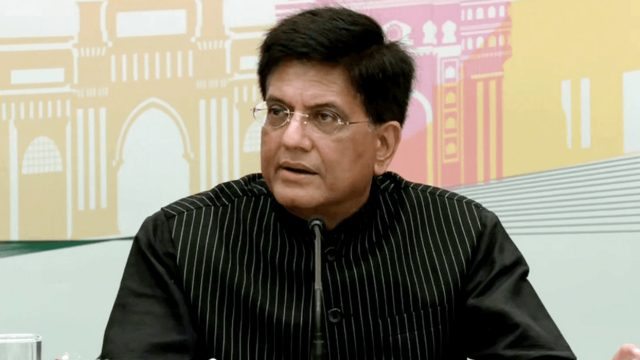
Recent statements by India's Commerce and Industry Minister Piyush Goyal have highlighted that India is not ready to finalize a trade agreement with the United States until specific tariff advantages for Indian exporters are secured. The ongoing discussions, significant for enhancing India's export potential, are expected to shape the economic landscape in both countries.
India's current trade negotiations come at a time when global markets are facing volatility, especially amidst rising competition from other nations. Goyal's assertion emphasizes the necessity for India to gain a better economic standing, particularly against competitors in the same market. Without preferential tariff rates, Indian goods may struggle to compete, reducing their presence in crucial markets like the United States.
Importance of Tariff Advantages
The need for preferential tariff rates is not merely a bargaining chip; it's an essential factor that can dictate the success of Indian exporters. In the face of competition from ASEAN nations and others, India's ability to offer competitive pricing through lower tariffs can significantly impact its export volumes.
For instance, industries such as textiles, pharmaceuticals, and technology could benefit immensely from reduced tariffs, translating to lower costs for American consumers and higher sales for Indian companies. This strategic move is particularly relevant in key regions like Southeast Asia, where Indonesia and other nations are also vying for a piece of the lucrative US market.
Future Prospects: Industrial Parks and Expanding Trade Relations
In addition to negotiating tariff rates, Goyal mentioned the prospect of developing dedicated industrial parks aimed at bolstering US-India business collaborations. This initiative could provide a significant infrastructure boost, facilitating smoother operations for American companies looking to partner with Indian firms.
Such developments would not only enhance manufacturing efficiency but could also attract foreign direct investments, further stimulating the Indian economy. This plan aligns with India's broader goals of strengthening its industrial base and fostering innovation, particularly in tech-driven sectors.
Significance for the Indonesian Market
As India navigates these trade discussions, it is crucial to consider the implications for Indonesia and other ASEAN countries. The regional trade dynamics are shifting, with countries like Indonesia also seeking to capitalize on the US market. This competitive landscape necessitates that India secures favorable terms to maintain its competitive edge.
By focusing on tariff reductions and establishing robust trade relations, India and its neighboring countries can work towards building a more interconnected and competitive regional economy.
Conclusion
The ongoing trade negotiations between India and the United States are pivotal for India's exporters who are eager for a more competitive tariff framework. As Piyush Goyal has pointed out, securing these tariff advantages is essential for finalizing the bilateral trade agreement. The emphasis on creating dedicated industrial parks suggests a proactive approach towards fostering deeper business ties, which may benefit both nations. As the discussions continue, the outcome will not only affect India but could also reshape the trade dynamics in Southeast Asia, positioning India as a formidable player in the global market.
Previous:Federal Court Ruling Upholds B
I NEED TO BUILD WEBSITE
I need to build a website
*Please fill in the required information carefully and we will contact you within 24 hours.- WeChat
-

Add WeChat
-
- 020-66889888
020-66889888
- Mobile
188 666 999 88
- Back to top
TOP